
Thresholds of Perception
The Collection
Hovering between the seen and sensed.
Thresholds of Perception
The Collection
Hovering between the seen and sensed.
Thresholds of Perception
the Collection
Hovering between
the seen and sensed
There is a quality to this work that exists beyond intention — images that exist at the outermost edge of what the eye can confirm, where form begins to dissolve and something else takes its place. A different kind of clarity, available only to those willing to look past the surface of what is presented and ask what else might be there.
Thresholds of Perception is that inquiry made visible.
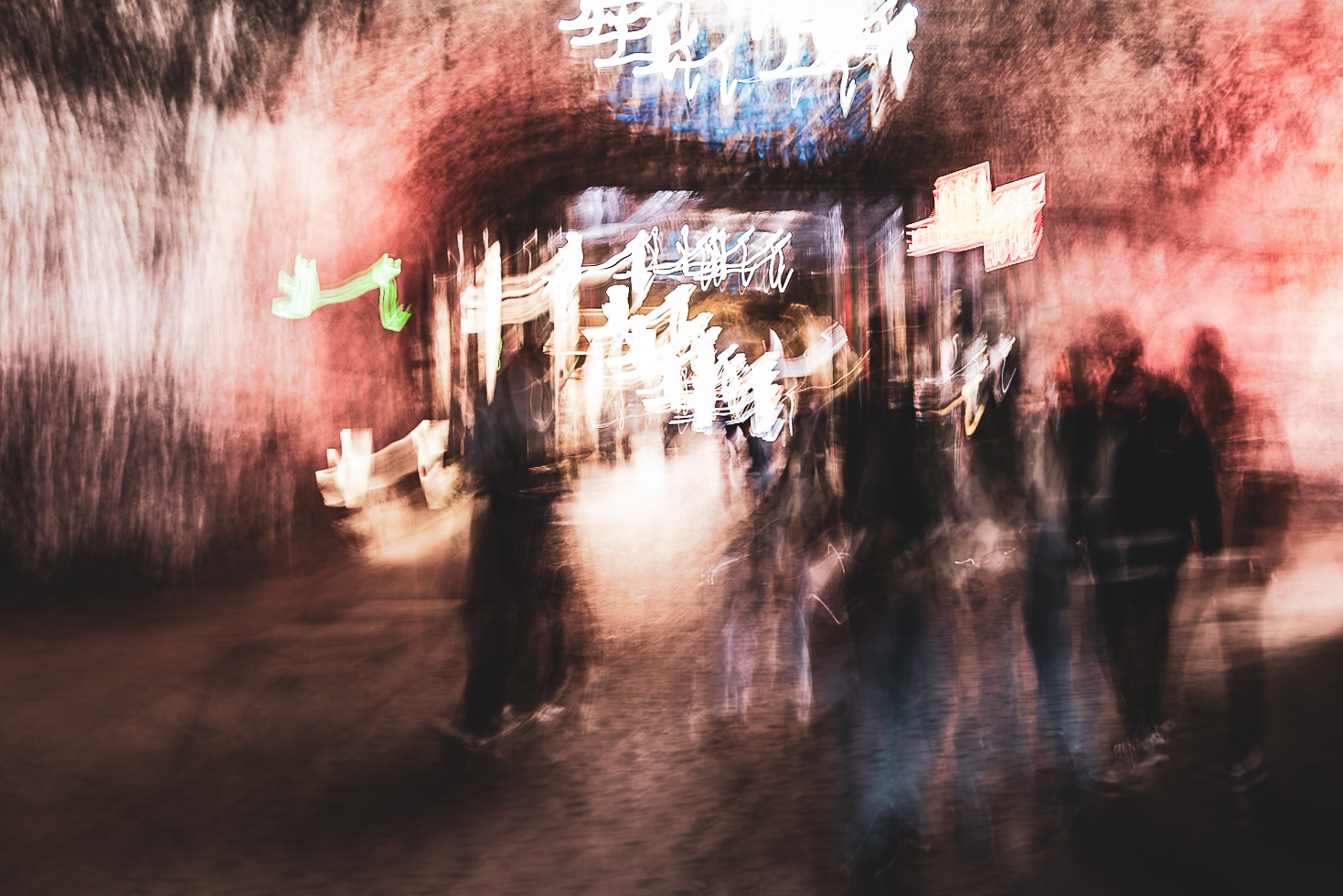
Sacred spaces in Colombia where light and faith converge into something electric. Abstract streets where the figure becomes pure presence and the city reveals itself as energy rather than architecture. The ocean's surface alive with a current that was always there, now rendered in light. Buenos Aires seen from the other side of perception — familiar and entirely displaced at once.
Each series within this collection occupies its own threshold — its own specific edge between what is and what is sensed, what was and what remains. The images do not resolve into certainty. They open toward it.
Each work exists in a strictly limited edition. Once an edition is closed, it does not reopen.
There is a quality to this work that exists beyond intention — images that exist at the outermost edge of what the eye can confirm, where form begins to dissolve and something else takes its place. A different kind of clarity, available only to those willing to look past the surface of what is presented and ask what else might be there.
Thresholds of Perception is that inquiry made visible.
Sacred spaces in Colombia where light and faith converge into something electric. Abstract streets where the figure becomes pure presence and the city reveals itself as energy rather than architecture. The ocean's surface alive with a current that was always there, now rendered in light. Buenos Aires seen from the other side of perception — familiar and entirely displaced at once.
Each series within this collection occupies its own threshold — its own specific edge between what is and what is sensed, what was and what remains. The images do not resolve into certainty. They open toward it.
Each work exists in a strictly limited edition. Once an edition is closed, it does not reopen.
Momentum Deferred
The Series
The crossing begins here.
Momentum Deferred
The Series
The crossing begins here.
There is a quality to this work that exists beyond intention — images that exist at the outermost edge of what the eye can confirm, where form begins to dissolve and something else takes its place. A different kind of clarity, available only to those willing to look past the surface of what is presented and ask what else might be there.
Thresholds of Perception is that inquiry made visible.
Sacred spaces in Colombia where light and faith converge into something electric. Abstract streets where the figure becomes pure presence and the city reveals itself as energy rather than architecture. The ocean's surface alive with a current that was always there, now rendered in light. Buenos Aires seen from the other side of perception — familiar and entirely displaced at once.
Each series within this collection occupies its own threshold — its own specific edge between what is and what is sensed, what was and what remains. The images do not resolve into certainty. They open toward it.
Each work exists in a strictly limited edition. Once an edition is closed, it does not reopen.
Momentum Deferred
The Series
The crossing begins here.
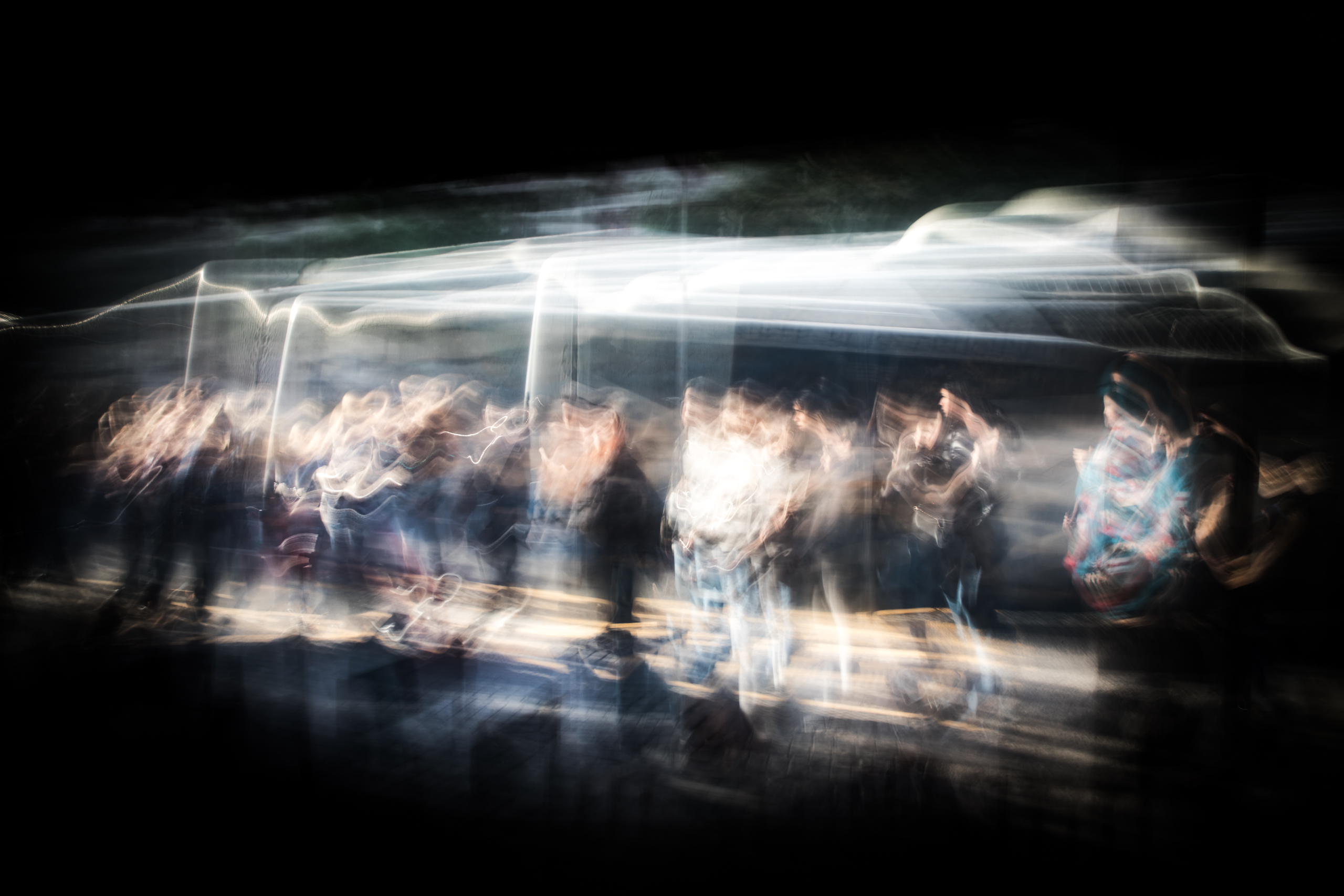
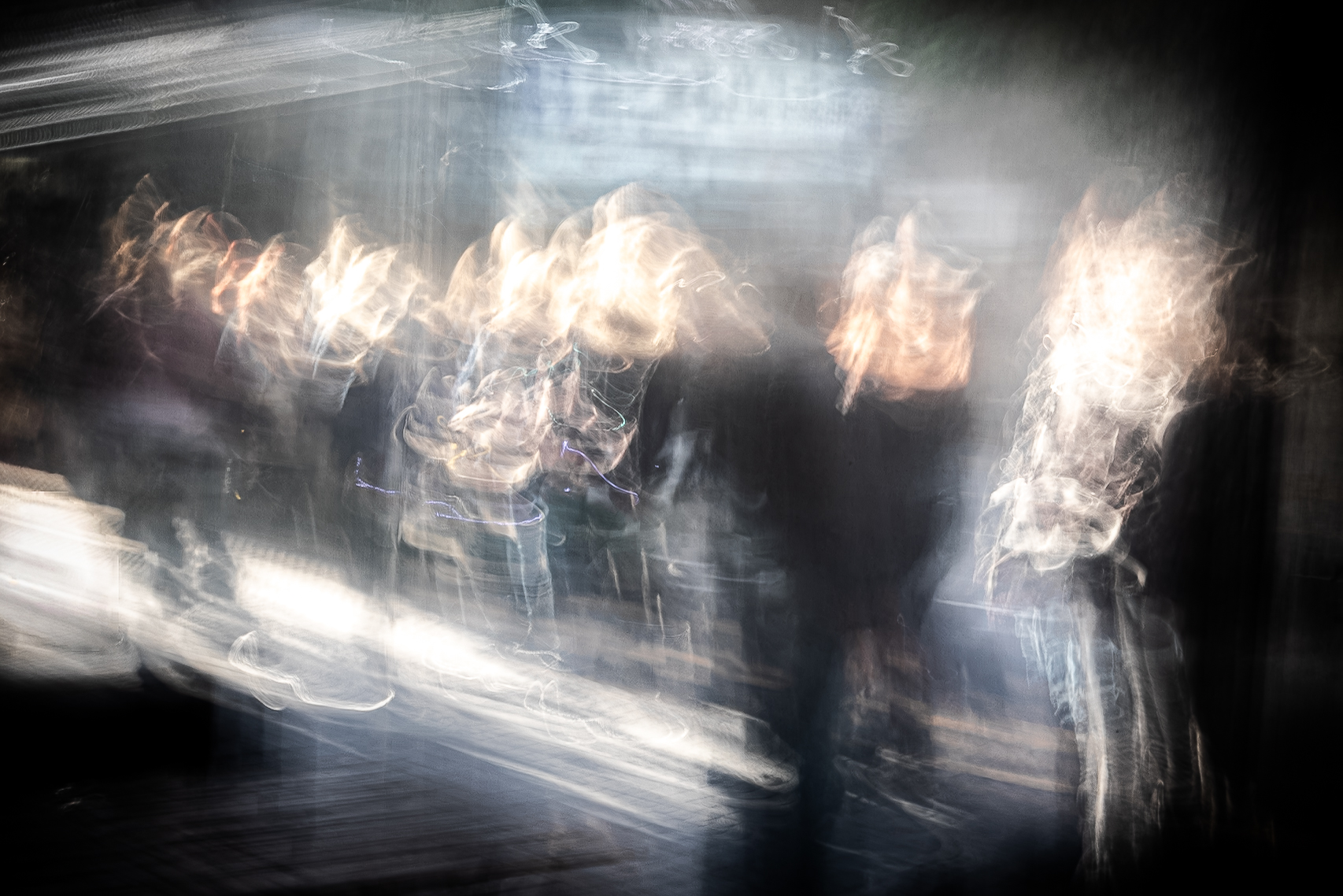
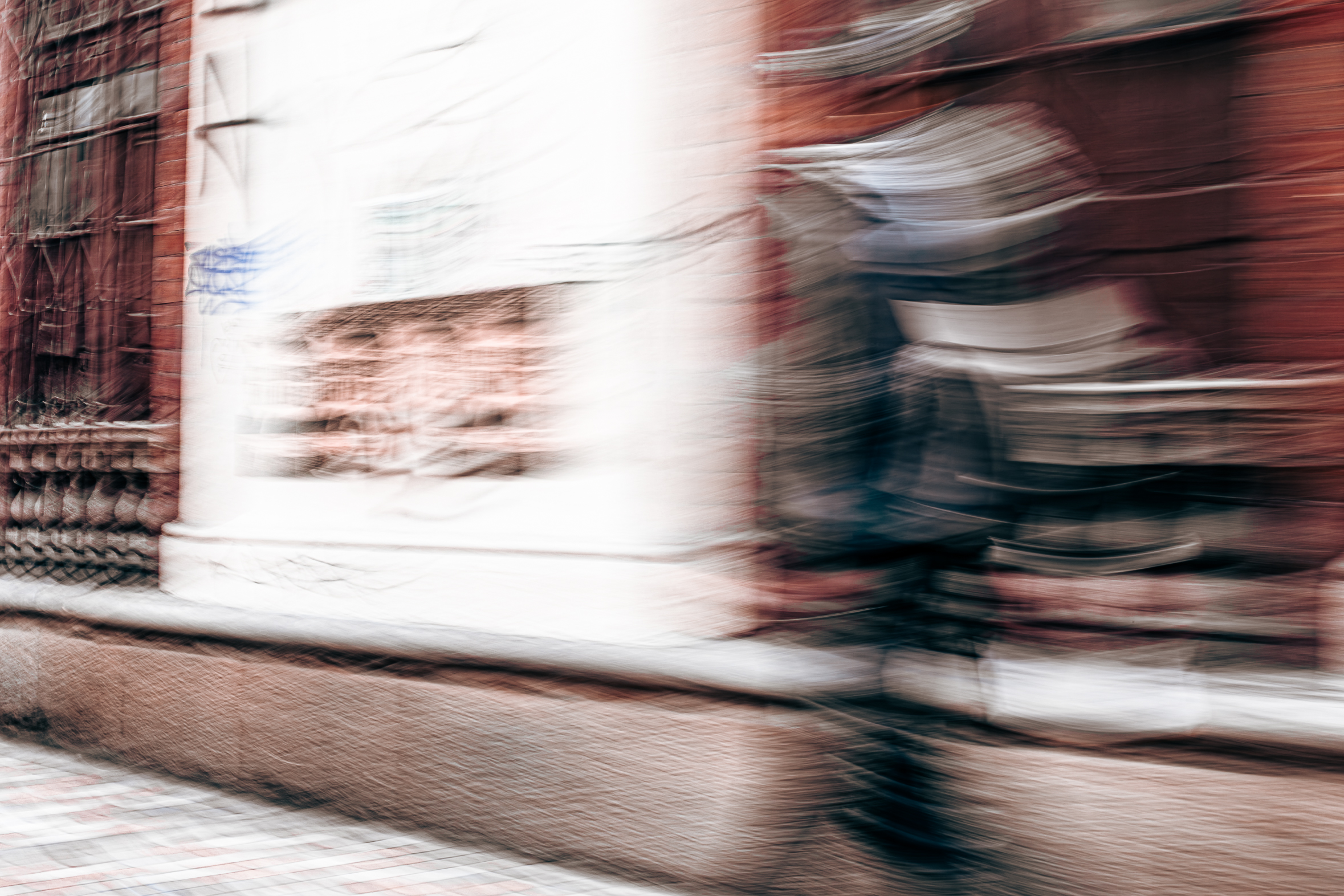
On Diagonal Norte in Buenos Aires, these works trace the full arc of the Shapeshifter process,
from biokinesis to the Liminal State, holding commuting figures in tension against urban velocity.
Momentum Deferred and Ghost Frequency query the integration of these forces.
On Diagonal Norte in Buenos Aires, these works trace the full arc of the Shapeshifter process,
from biokinesis to the Liminal State, holding commuting figures in tension against urban velocity.
Momentum Deferred and Ghost Frequency query the integration of these forces.
On Diagonal Norte in Buenos Aires, these works trace the
full arc of the Shapeshifter process, from biokinesis to the Liminal State, holding commuting figures in tension against urban velocity. Momentum Deferred and
Ghost Frequency query the integration of these forces.
Vespers
The series
Calm. Infinite. Devout.
Vespers
The Series
Calm. Infinite. Devout.
Vespers
The Series
Calm. Infinite. Devout.
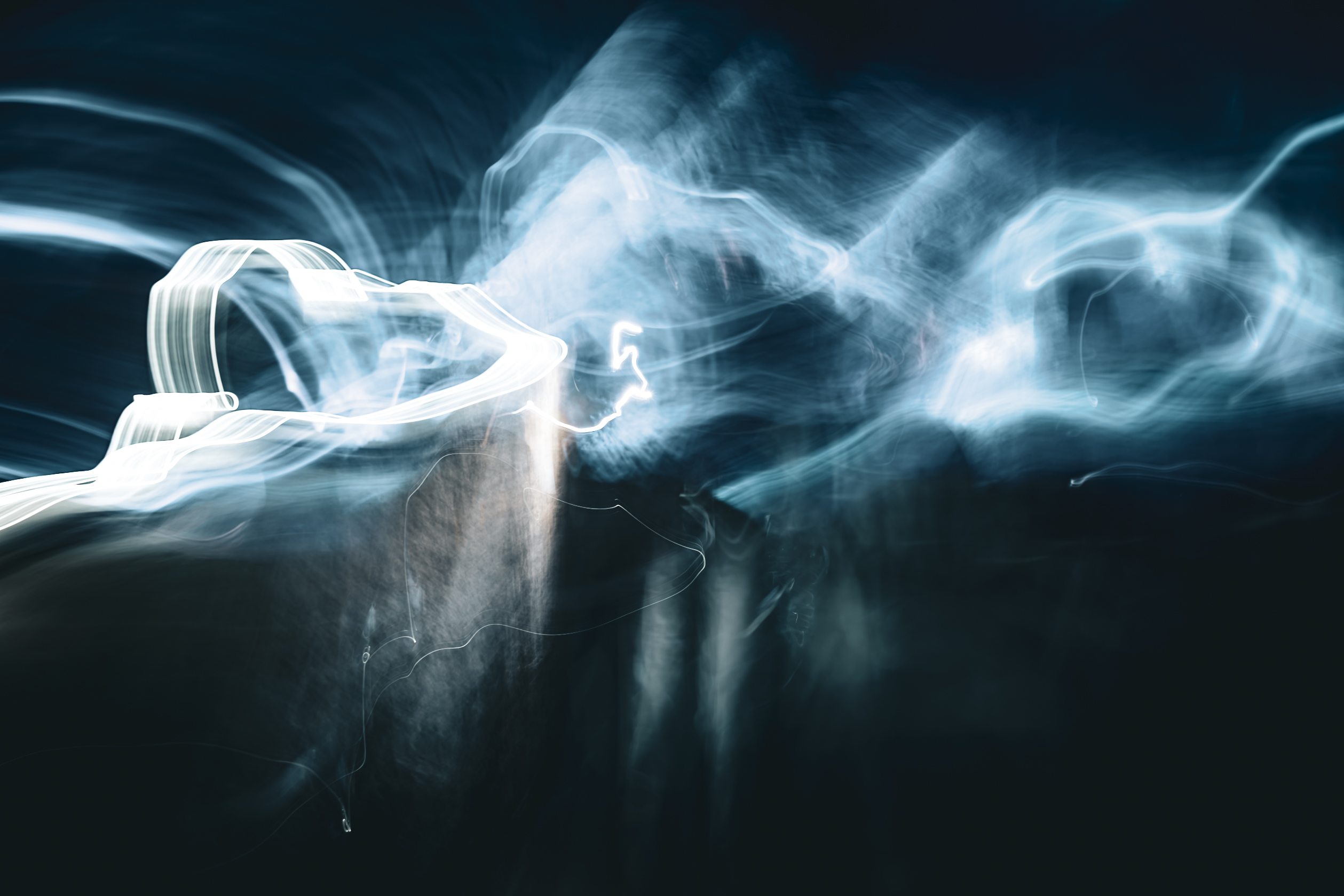
Hours spent within the Zipaquirá Salt Cathedral, where the halite absorbs 5ound and memory alike,
yielding a profound, absolute silence. The blue light is deliberate and the air heavy with an
almost sacred stillness. Vespers draws from this profound quiet—a collection defined by its deep blue tones,
intense introspection, and the feeling of a presence just beyond the edge of form.
Hours spent within the Zipaquirá Salt Cathedral, where the halite absorbs 5ound and memory alike,
yielding a profound, absolute silence. The blue light is deliberate and the air heavy with an
almost sacred stillness. Vespers draws from this profound quiet—a collection defined by its deep blue tones,
intense introspection, and the feeling of a presence just beyond the edge of form.
Hours spent within the Zipaquirá Salt Cathedral, where the halite absorbs sound and memory alike, yielding a profound, absolute silence. The blue light is deliberate and the air heavy with an almost sacred stillness. Vespers draws from this profound quiet—a collection defined by its deep blue tones, intense introspection, and the feeling of a presence just beyond the edge of form.
THE ZIPAQUIRÁ SUITE
SERIES
Descended into halite. Came back with this.
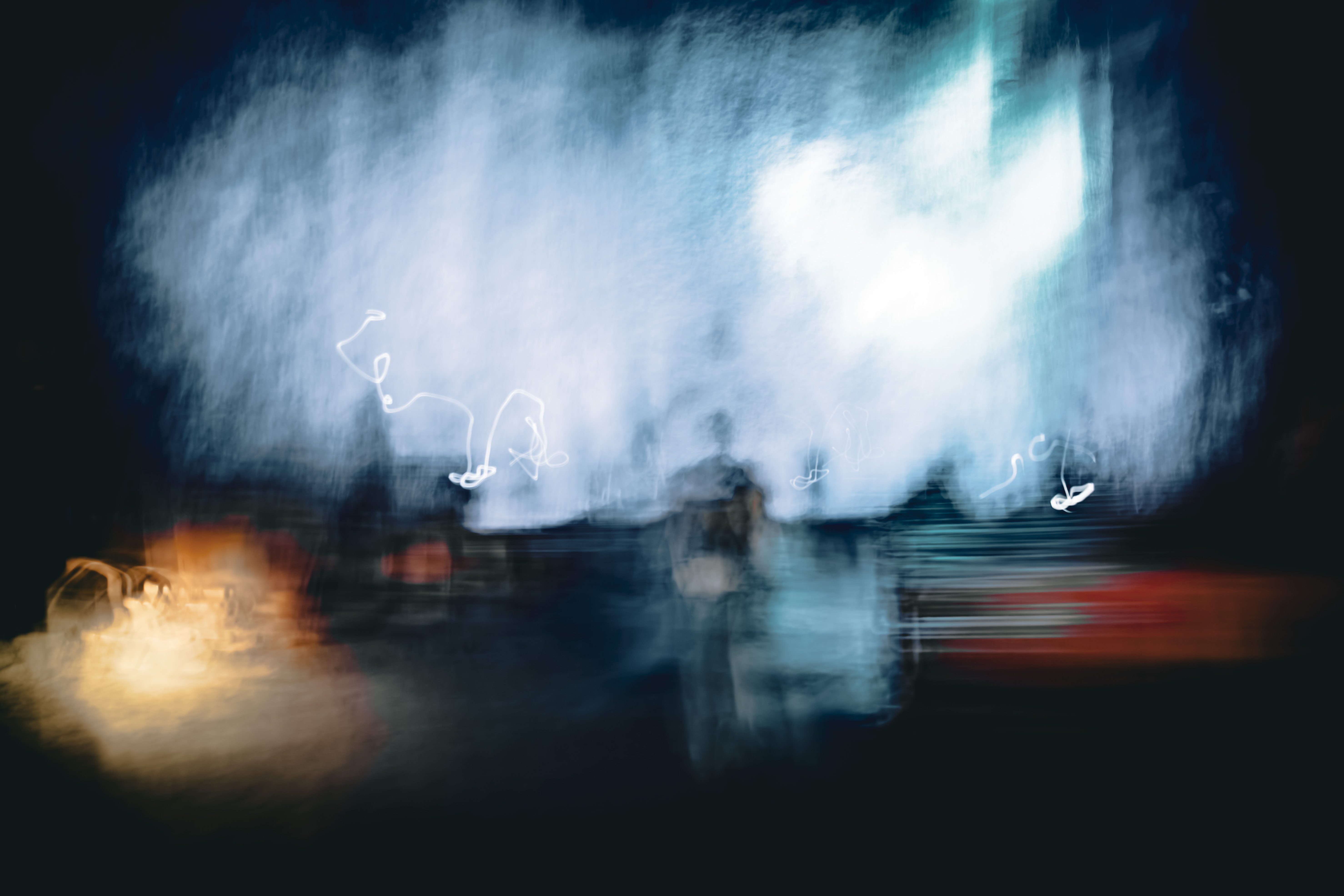
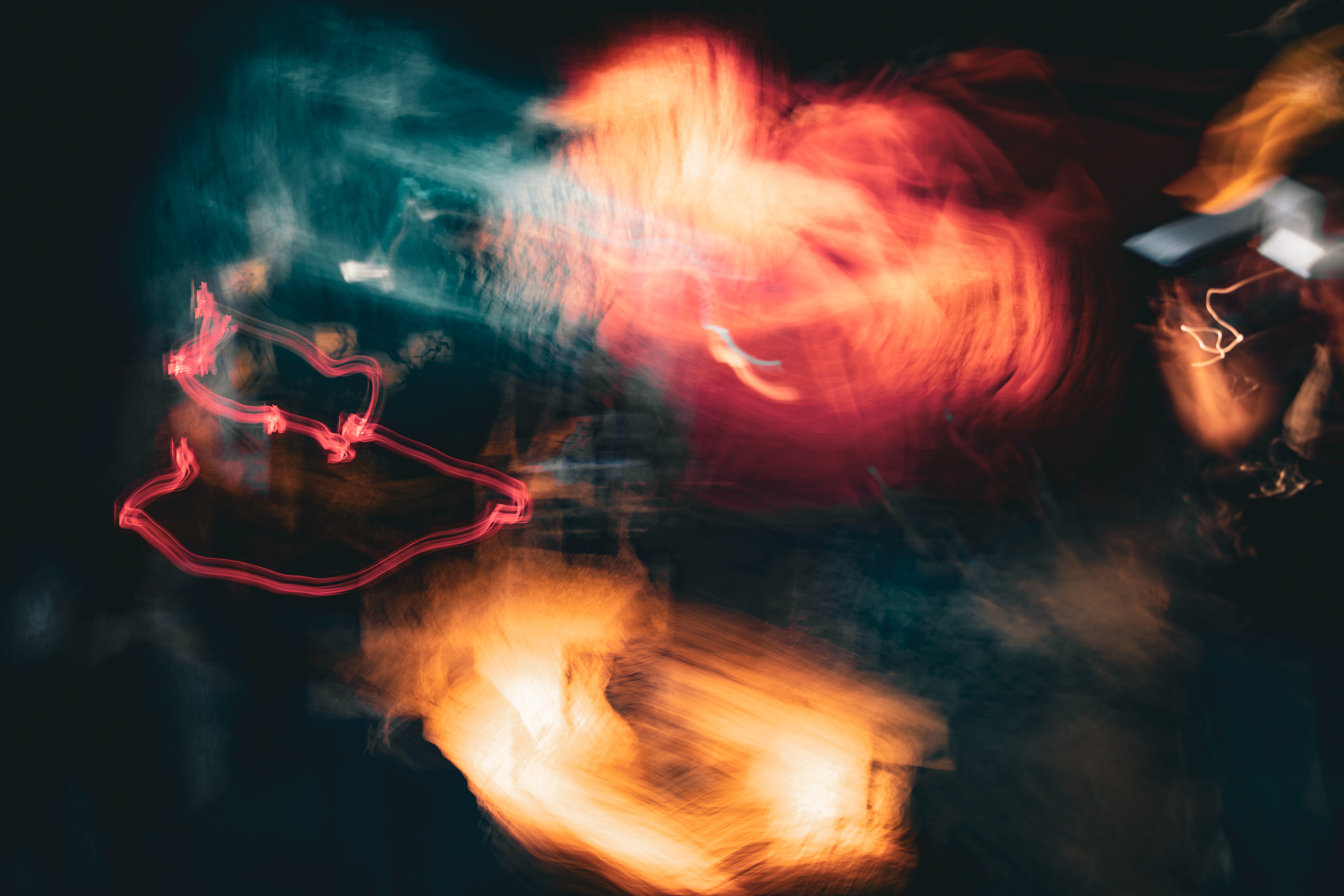
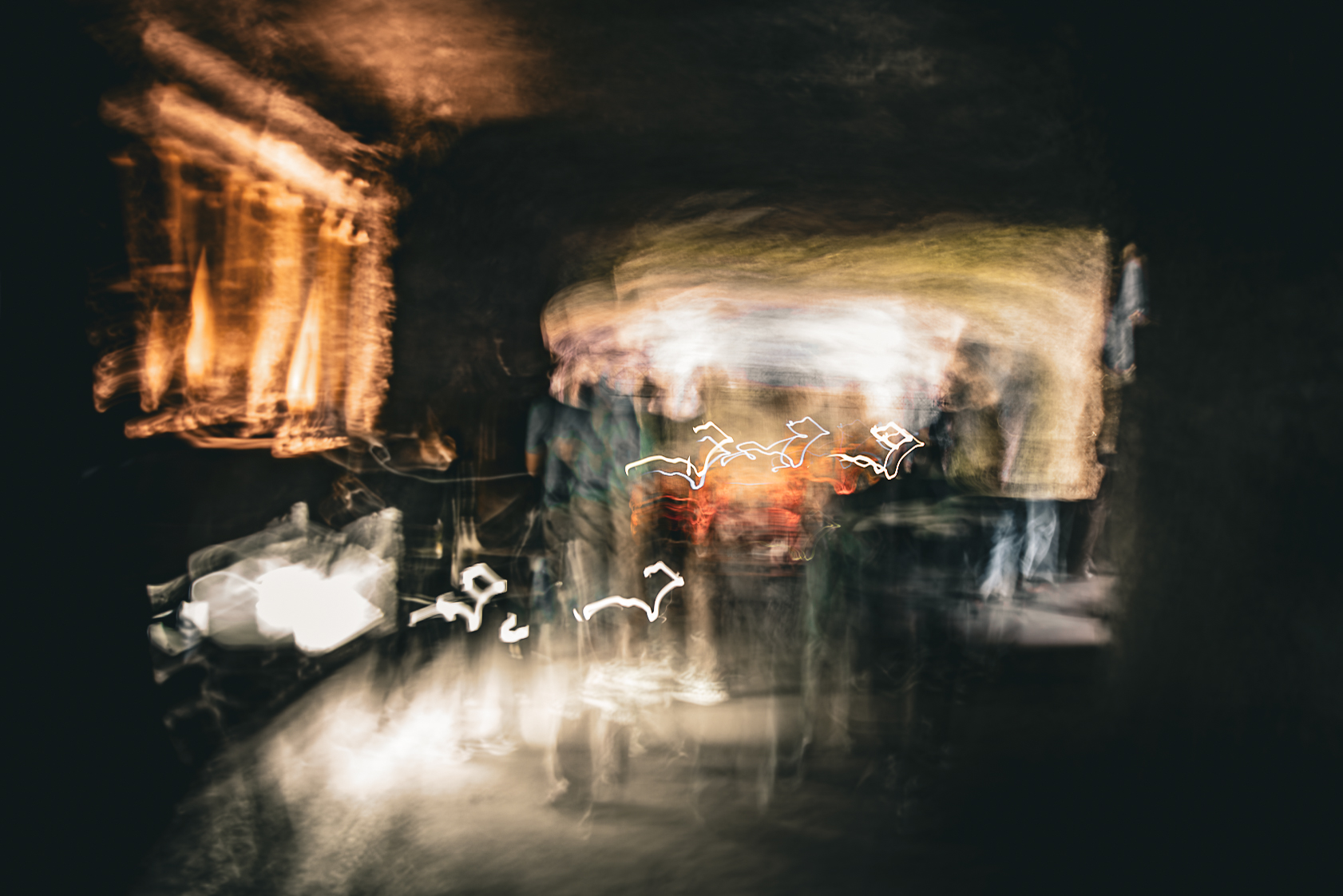
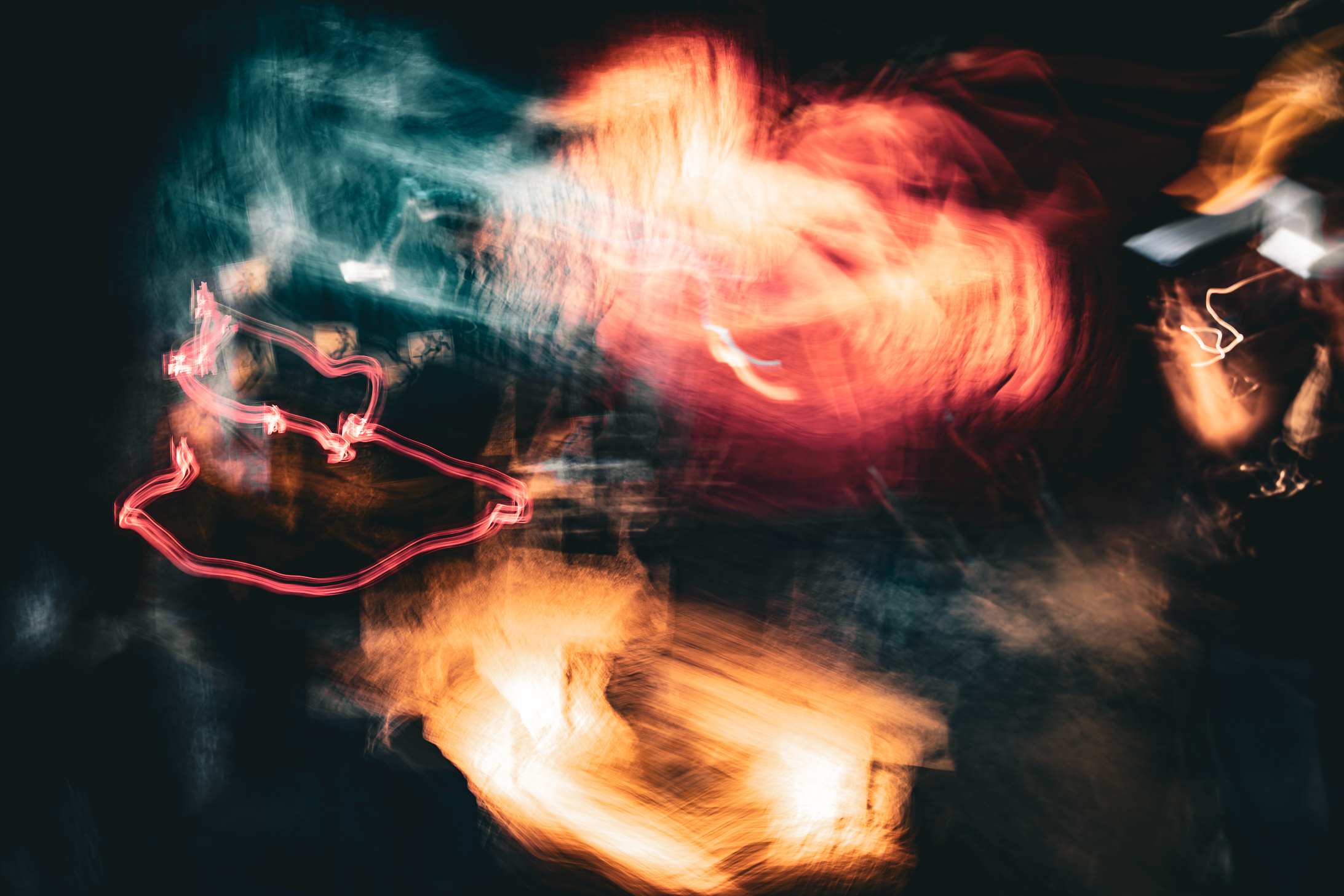
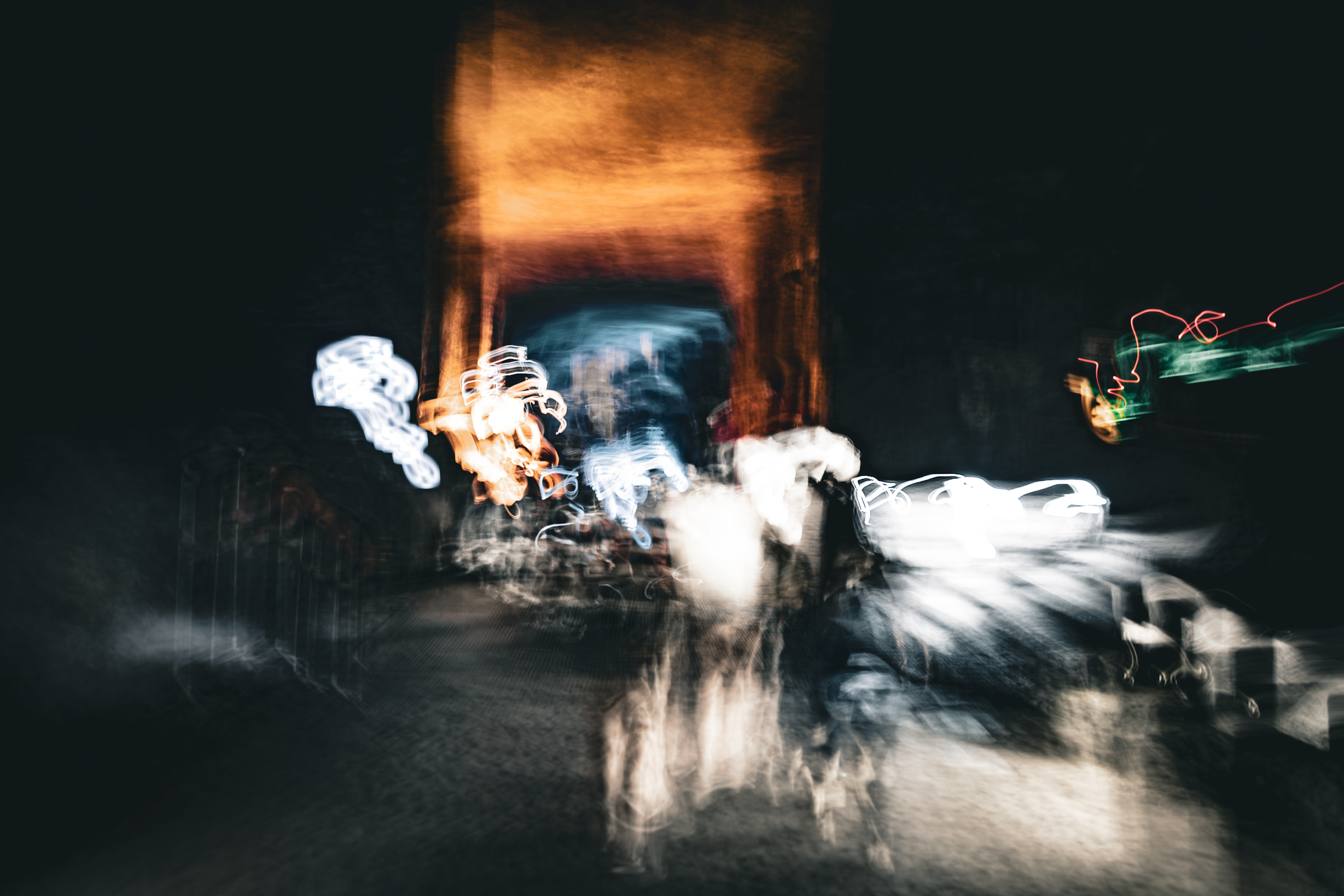
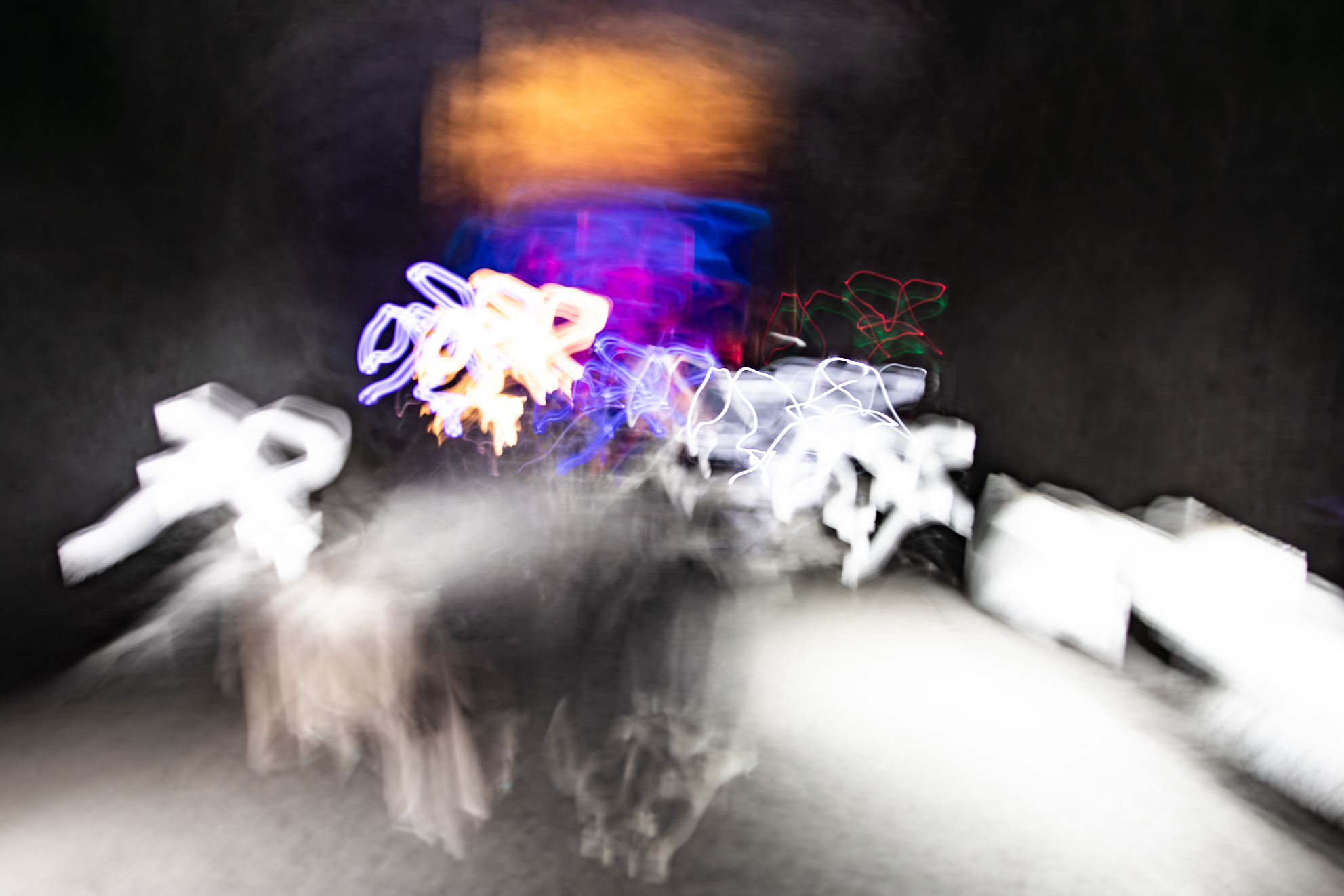
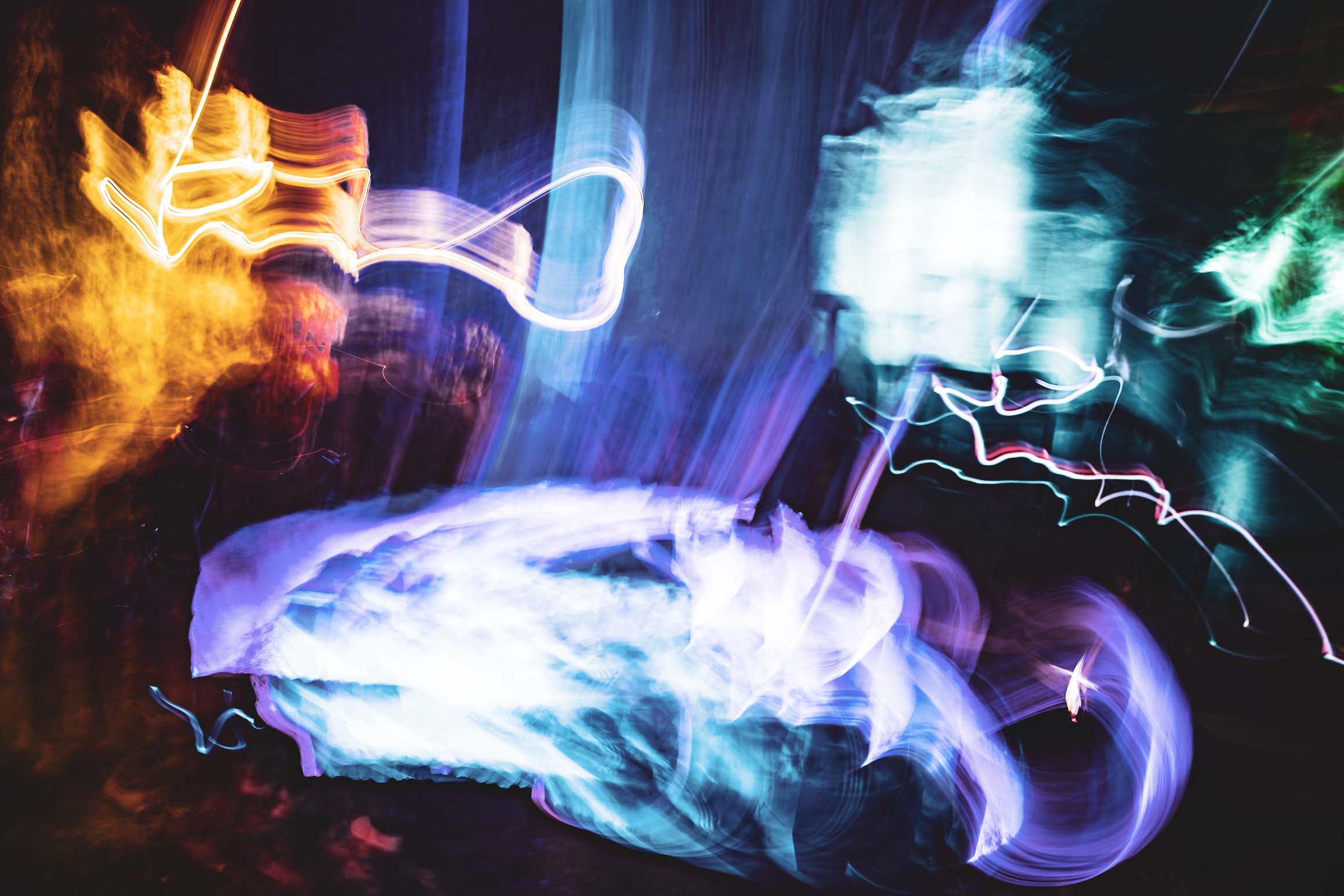
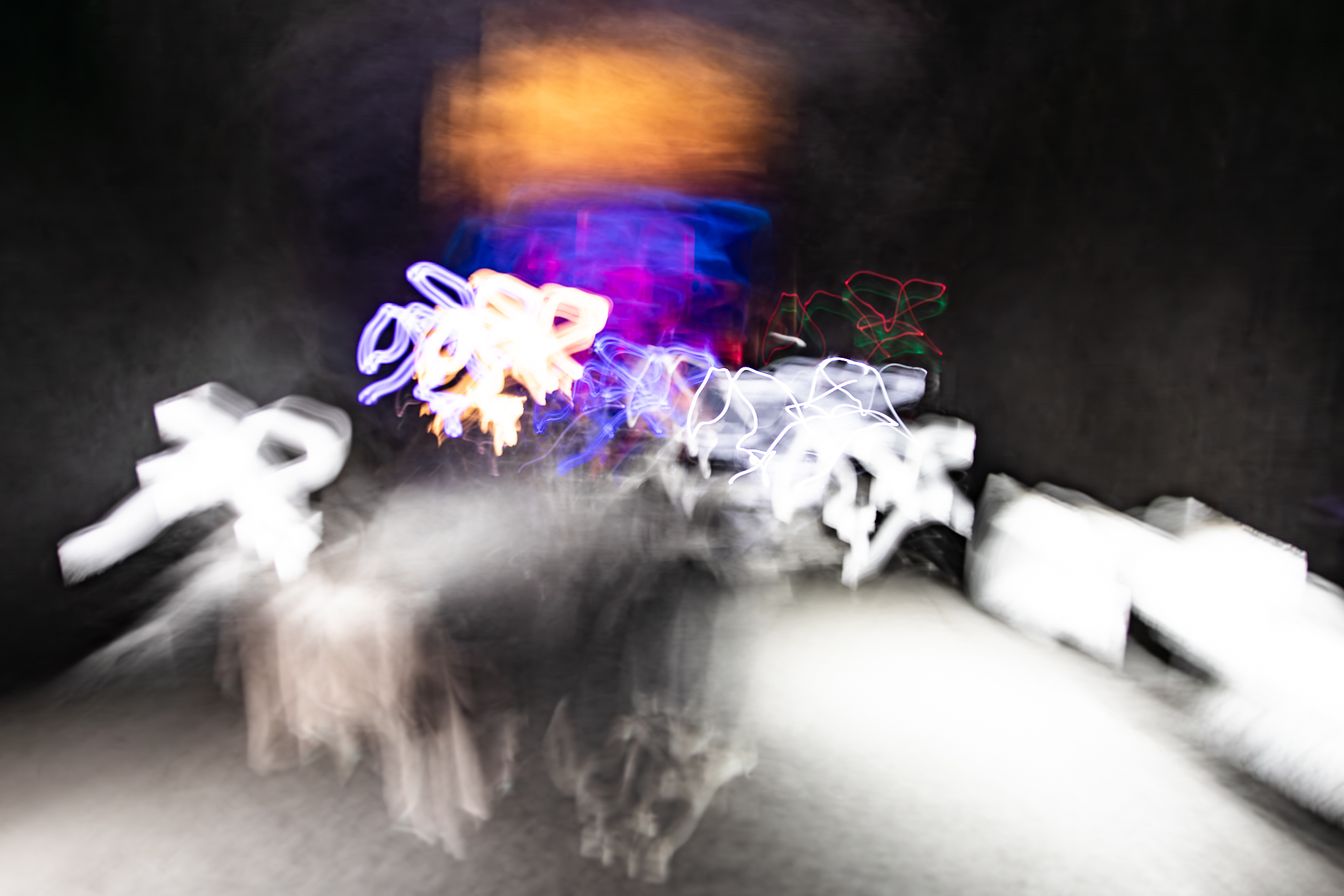
Deep beneath a Colombian mountain, within a cathedral carved from ancient, 200-million-year-old halite, lies a space that is part pilgrimage site, part complex, subterranean labyrinth. The Zipaquirá Suite documents a recalibration of the senses in the dark, where salt dust fills the air and unexpected light slices through the gloom. These abstract, painterly compositions capture a warm amber glow, transforming the dark, profound, and often surreal, underground environment into a timeless monument to human reverence.
THE ZIPAQUIRÁ SUITE SERIES
Descended into halite. Came back with this.
THE ZIPAQUIRÁ SUITE SERIES
Descended into halite. Came back with this.
Deep beneath a Colombian mountain, within a cathedral carved from ancient,
200-million-year-old halite, lies a space that is part pilgrimage site, part complex,
subterranean labyrinth. The Zipaquirá Suite documents a recalibration of the senses in the dark,
where salt dust fills the air and unexpected light slices through the gloom. These abstract, painterly compositions capture a warm amber glow, transforming the dark, profound, and often surreal, underground environment into a timeless monument to human reverence.
Deep beneath a Colombian mountain, within a cathedral carved from ancient,
200-million-year-old halite, lies a space that is part pilgrimage site, part complex,
subterranean labyrinth. The Zipaquirá Suite documents a recalibration of the senses in the dark,
where salt dust fills the air and unexpected light slices through the gloom. These abstract, painterly compositions capture a warm amber glow, transforming the dark, profound, and often surreal, underground environment into a timeless monument to human reverence.
Watcher in the cathedral
the series
No sanctuary from surveillance.
In the ancient, subterranean tunnels of the Zipaquirá
Salt Cathedral, light interacts with shadow, highlighting a stationary figure amidst the surrounding motion.
Watcher in the Cathedral explores this contrast, suggesting that surveillance persists even within a profound, sacred sanctuary.
Watcher in the Cathedral
The Series
No sanctuary from surveillance.
Watcher in the Cathedral
The Series
No sanctuary from surveillance.
Set against the ancient stone of the Zipaquirá Salt Cathedral, a lone, still figure stands out
amid moving light. Watcher in the Cathedral highlights this tension, exploring the idea that even in this deep, silent sanctuary, a sense of surveillance remains.
Set against the ancient stone of the Zipaquirá Salt Cathedral, a lone, still figure stands out
amid moving light. Watcher in the Cathedral highlights this tension, exploring the idea that even in this deep, silent sanctuary, a sense of surveillance remains.
The Other side
The Series
Every decision. A parallel path.
The Other Side
The Series
Every decision. A parallel path.
The Other Side
The Series
Every decision. A parallel path.
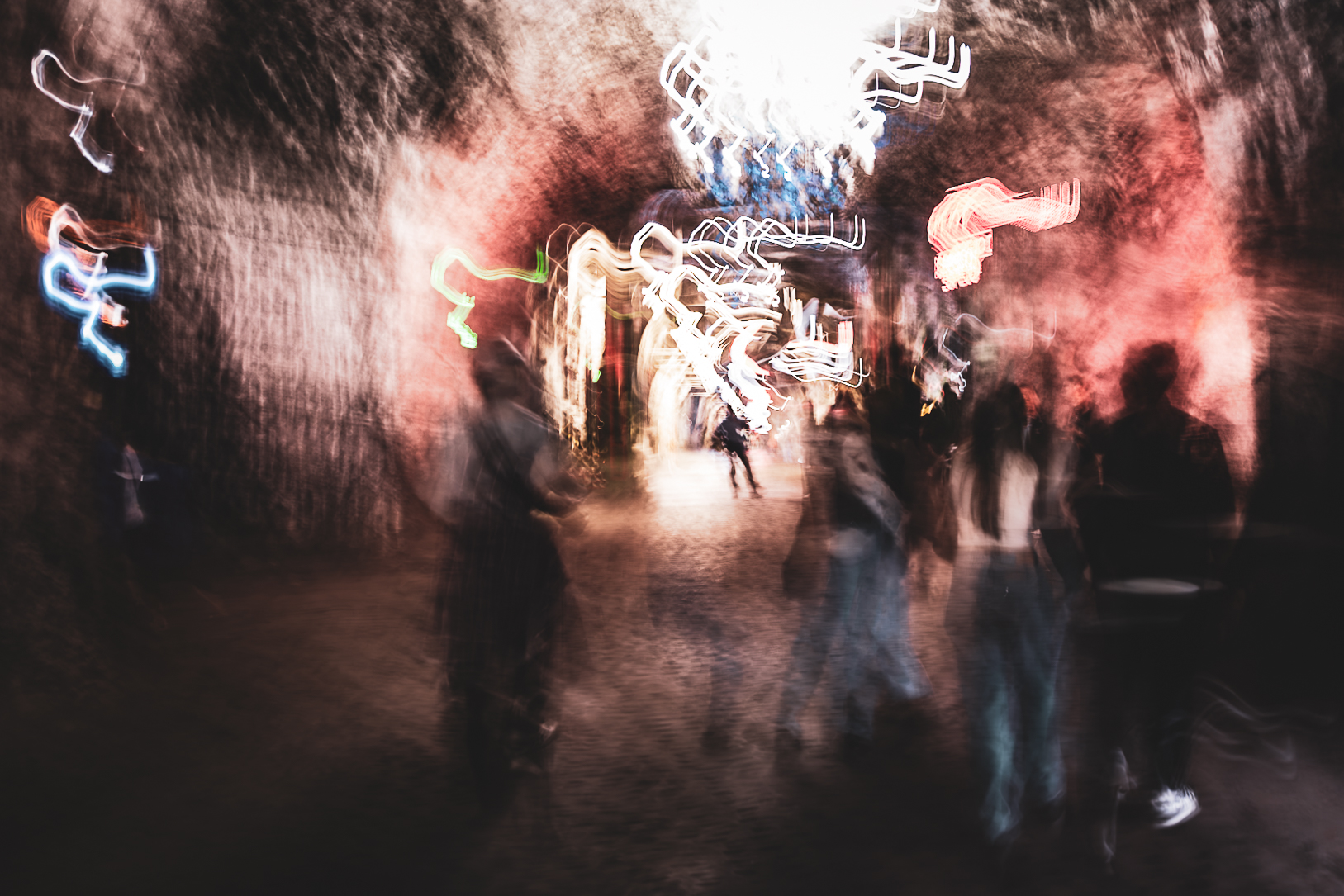
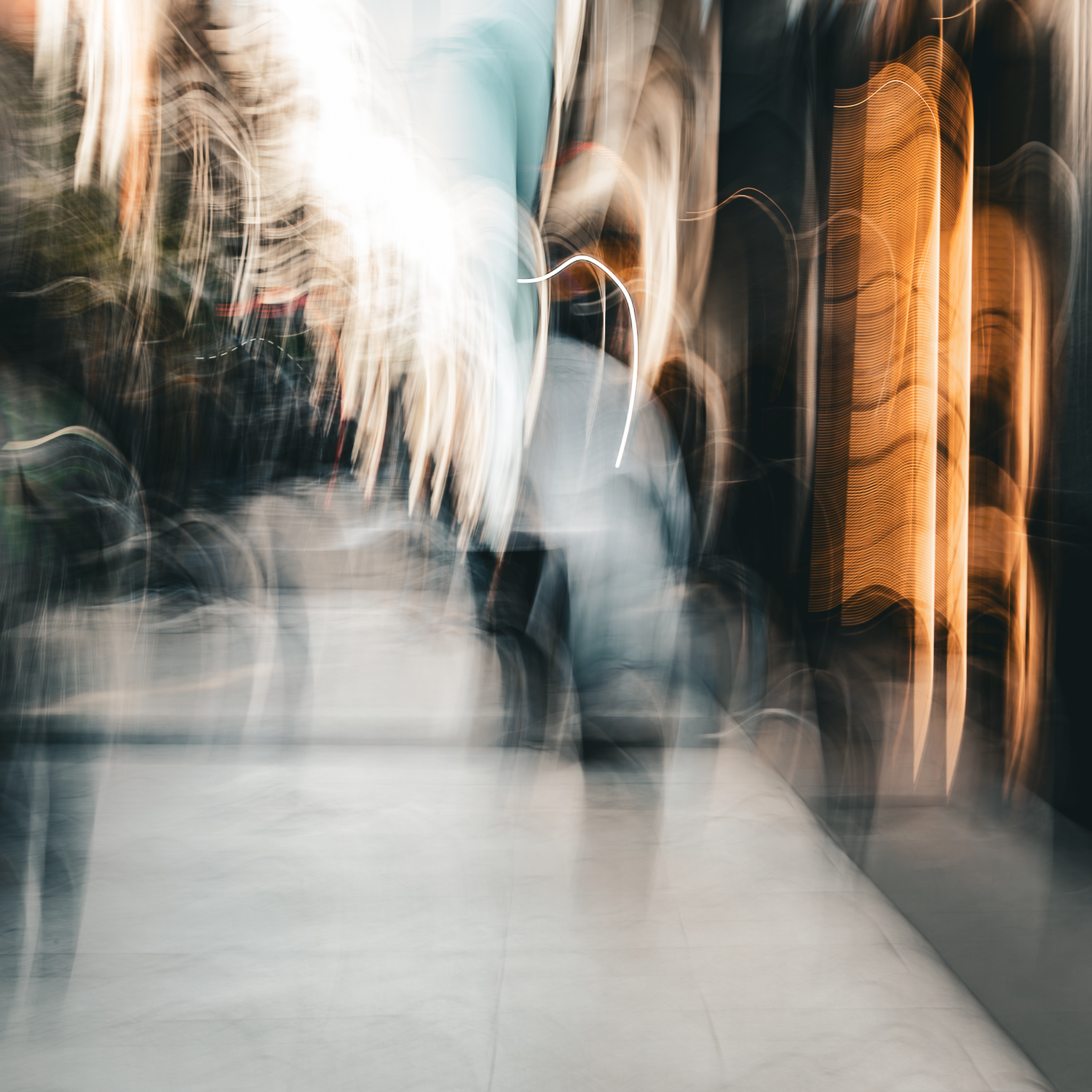
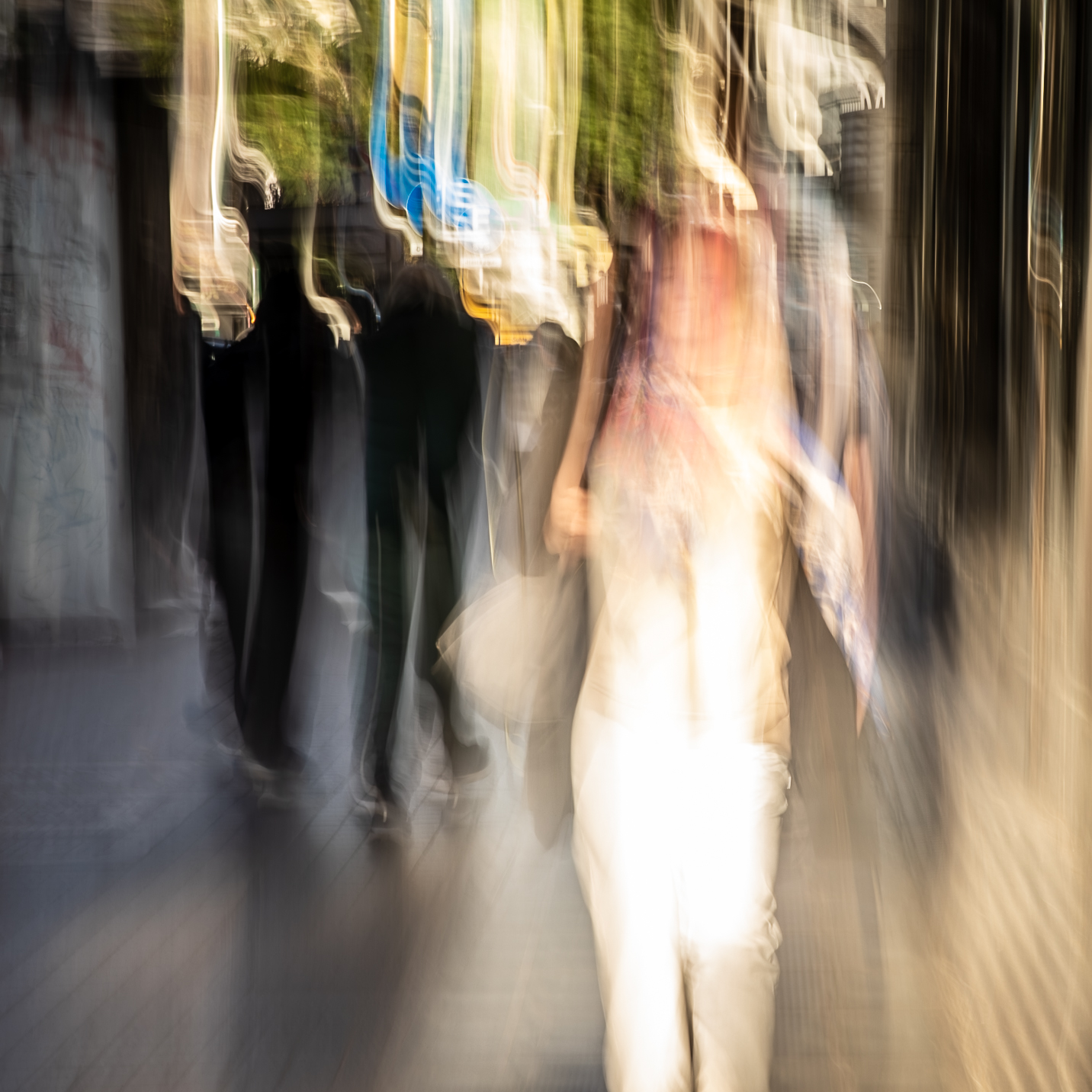
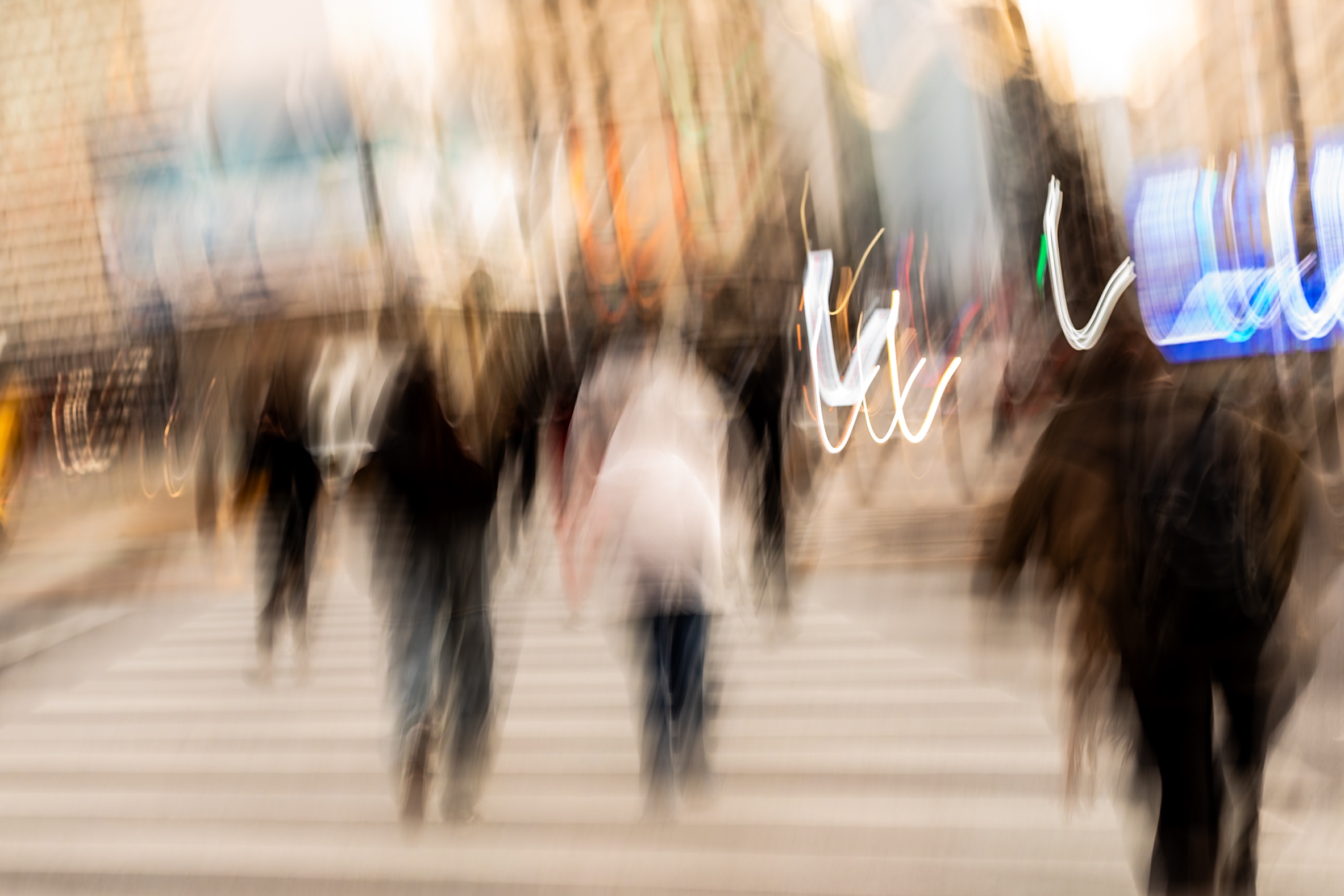
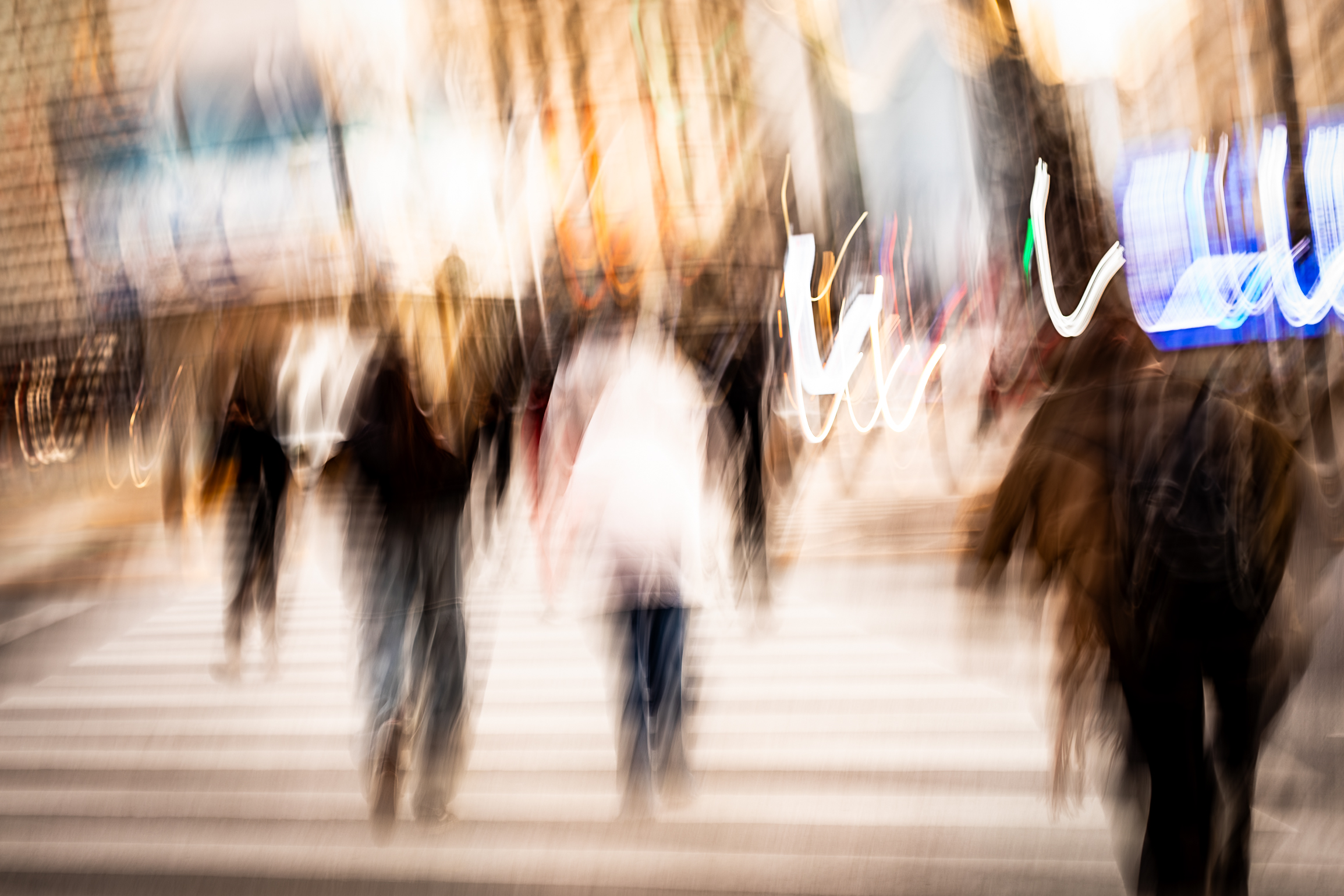
Utilizing long exposure and in-camera movement to render pedestrians as overlapping, flickering forms,
The Other Side explores the city at dusk. It captures the boundary between parallel realities,
where urban environments become a threshold for alternative trajectories.
Utilizing long exposure and in-camera movement to render pedestrians as overlapping,
flickering forms, The Other Side explores the city at dusk. It captures the boundary between parallel realities,where urban environments become a threshold for alternative trajectories.
Utilizing long exposure and in-camera movement to render pedestrians as overlapping, flickering forms,
The Other Side explores the city at dusk. It captures the boundary between parallel realities, where urban environments become a threshold for
alternative trajectories.
Living Current
The Series
Bioluminescent
Living Current
The Series
Bioluminescent.
Living Current
The Series
Bioluminescent.
From the fractured, luminous reflections of sailboats shifting in the marina, to the undulating currents of Monterey and the electric, sweeping light of Buenos Aires, Living Current serves as the unifying closing movement of the collection. It transforms the invisible, natural, and urban energies flowing around us into pure, painterly brushstrokes of light.
From the fractured, luminous reflections of sailboats shifting in the marina, to the undulating
currents of Monterey and the electric, sweeping light of Buenos Aires, Living Current serves as the unifying closing movement of the collection. It transforms the invisible, natural, and
urban energies flowing around us into pure, painterly brushstrokes of light.
From the fractured, luminous reflections of sailboats shifting in the marina, to the undulating
currents of Monterey and the electric, sweeping light of Buenos Aires, Living Current serves as the unifying closing movement of the collection. It transforms the invisible, natural, and
urban energies flowing around us into pure, painterly brushstrokes of light.
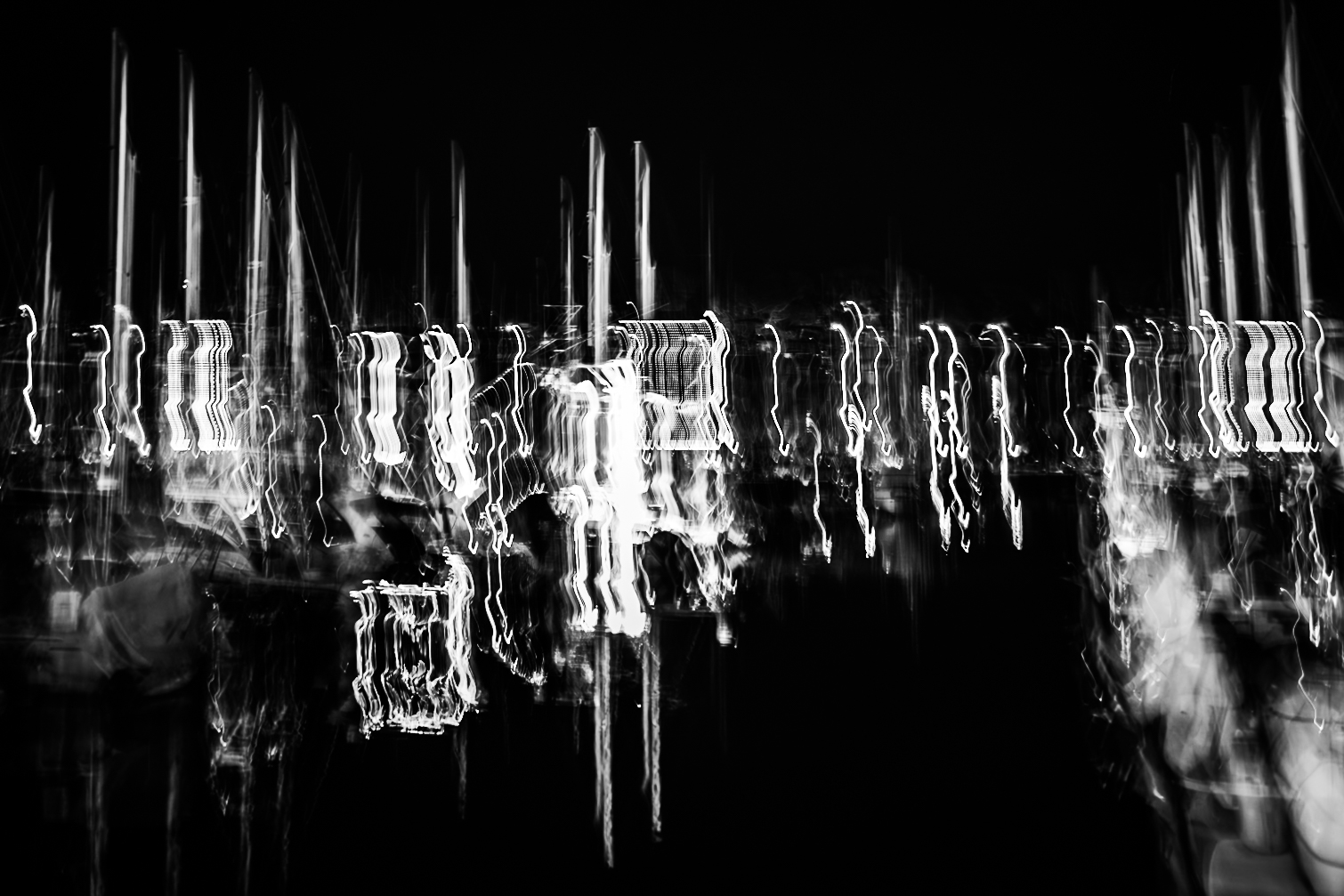
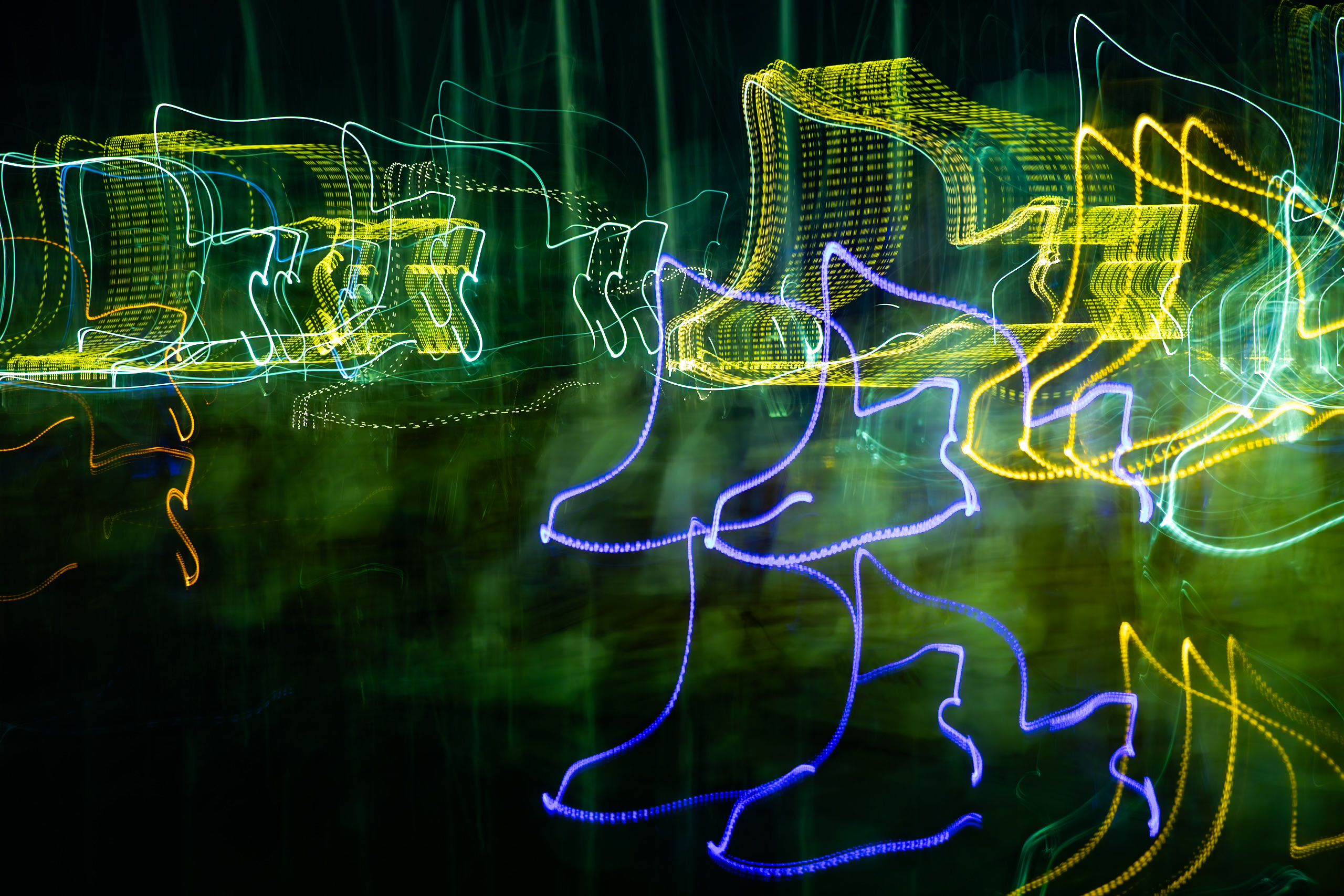
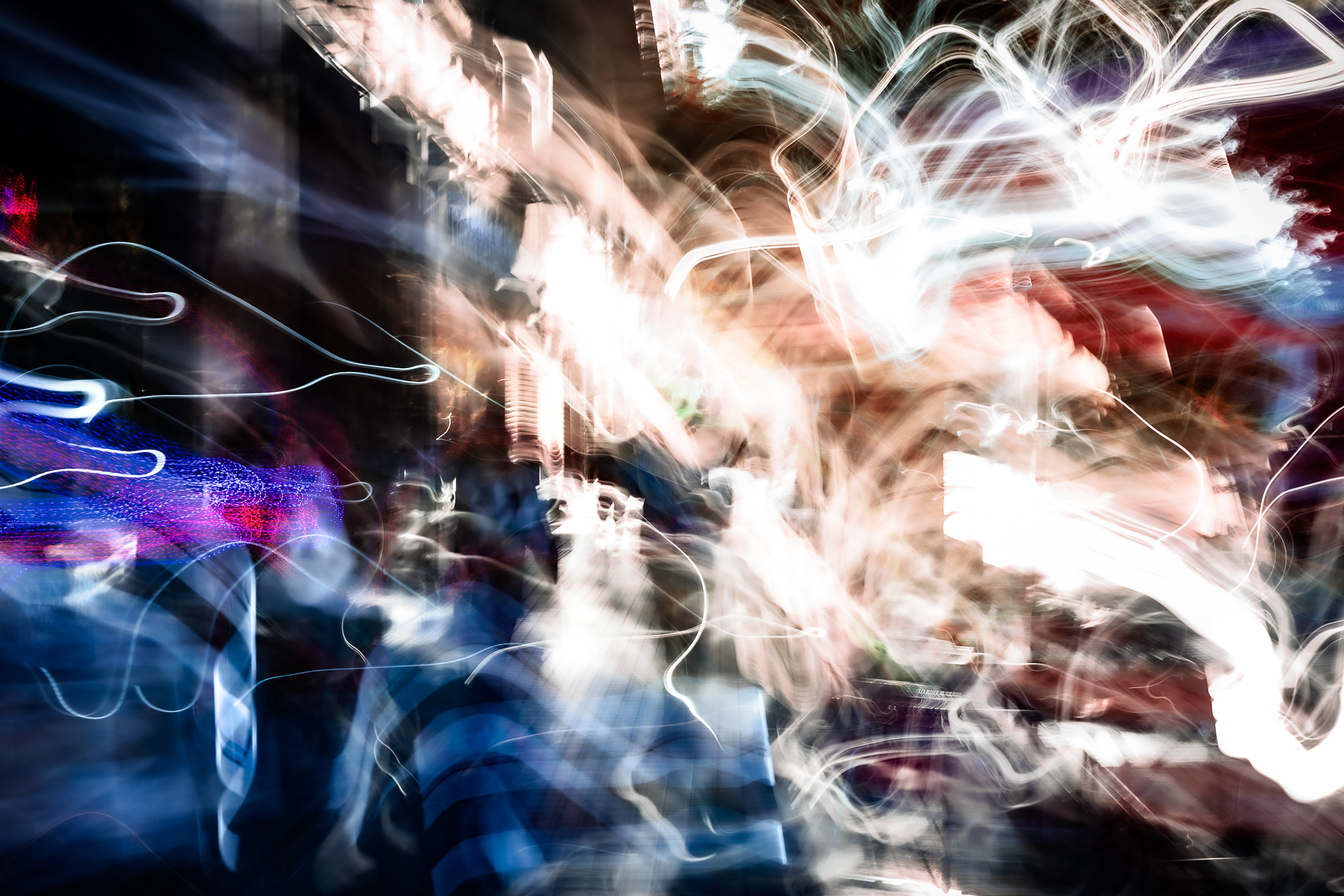
At the Dana Point marina, sailboats moved in the tide — tethered but alive, ghostly in the dark, their reflections fracturing across the water's surface. At the Monterey Aquarium, a glass sculpture rendered the North Pacific Gyre in spiraling form — vast ocean current made suddenly, viscerally legible. Living Current is my interpretation of both encounters. The energy that moves beneath, around, and through — the force that has always been there, now rendered in light.
BY INVITATION
Early access. First to see. First to own.
Your email stays private. No sharing. Ever.


BY INVITATION
Early access. First to see. First to own.
Your email stays private. No sharing. Ever.
BY INVITATION
Early access.
First to see.
First to own.
Your email stays private.
No sharing.
Ever.